
insight 2026-09-03
The Heart of K-Defense
Amidst a Shaking Global Supply Chain:
The Future of Aerospace and Defense Materials Technology- By Changbum Jang, Head of the R&D Center at SeAH Aerospace & Defense
Recently, the global economy has been facing mounting uncertainty driven by a complex web of factors, including the U.S.-China rivalry for technological hegemony, the prolonged Russia-Ukraine war, and escalating geopolitical instability in the Middle East. These shifts are further exacerbating the fragility of global supply chains, prompting nations to strongly push for self-reliance in strategic industrial technologies to safeguard their own security and economies.
The Importance of the Defense Industry and Supply Chain Stability
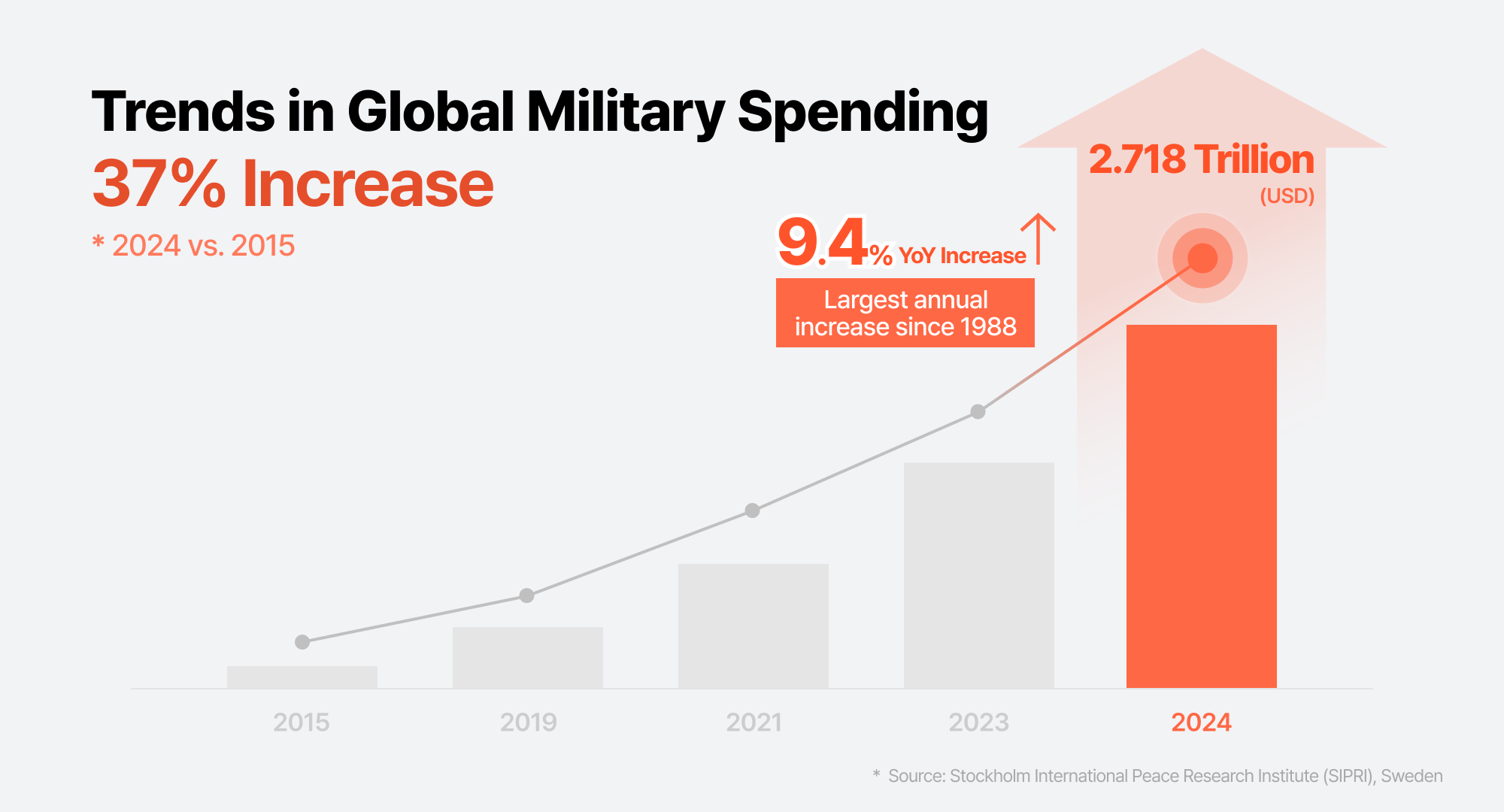
Rising Global Military Spending and Expanding Risks
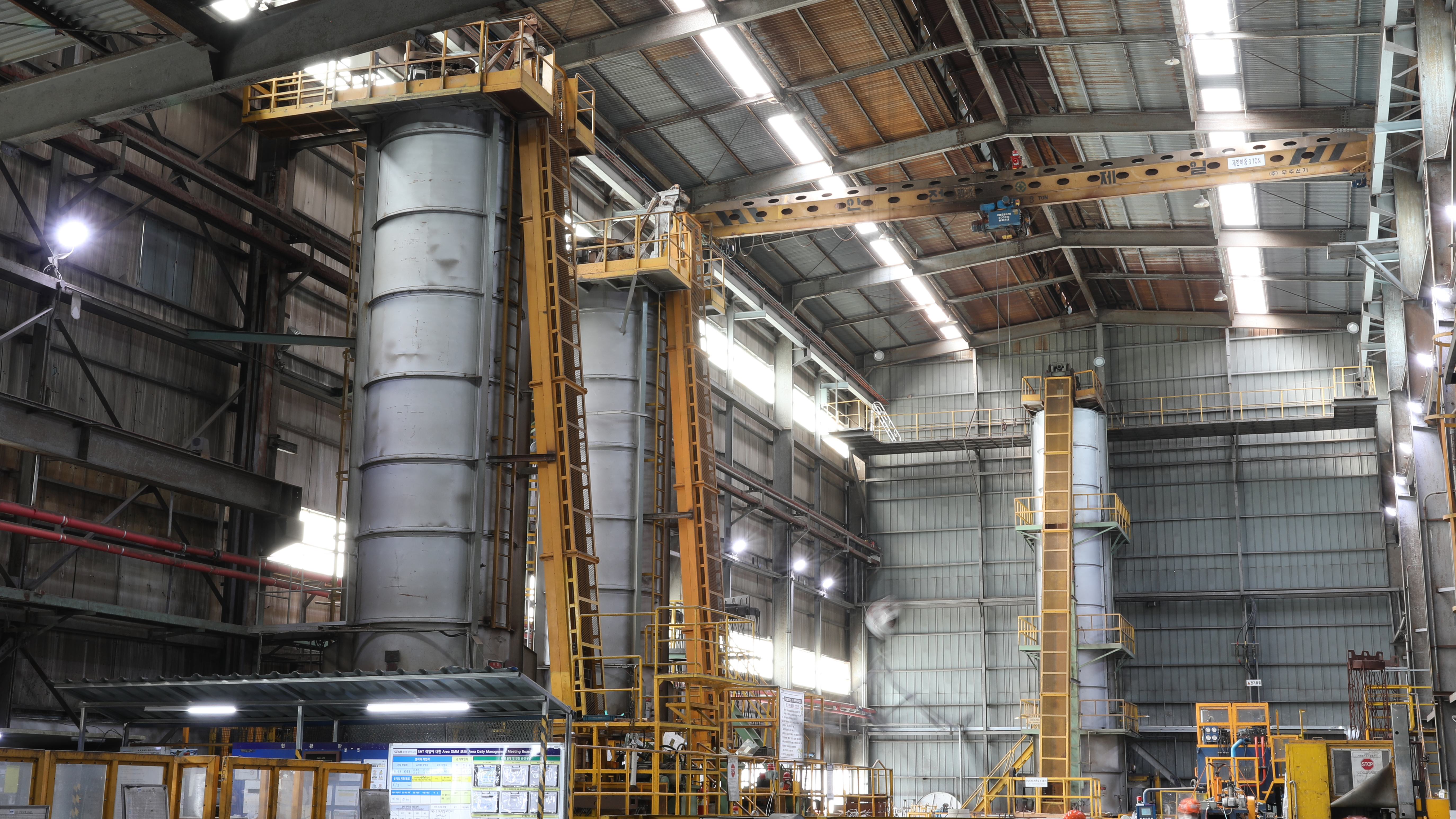
The Need for Self-Reliance in Core Aerospace and Defense Materials
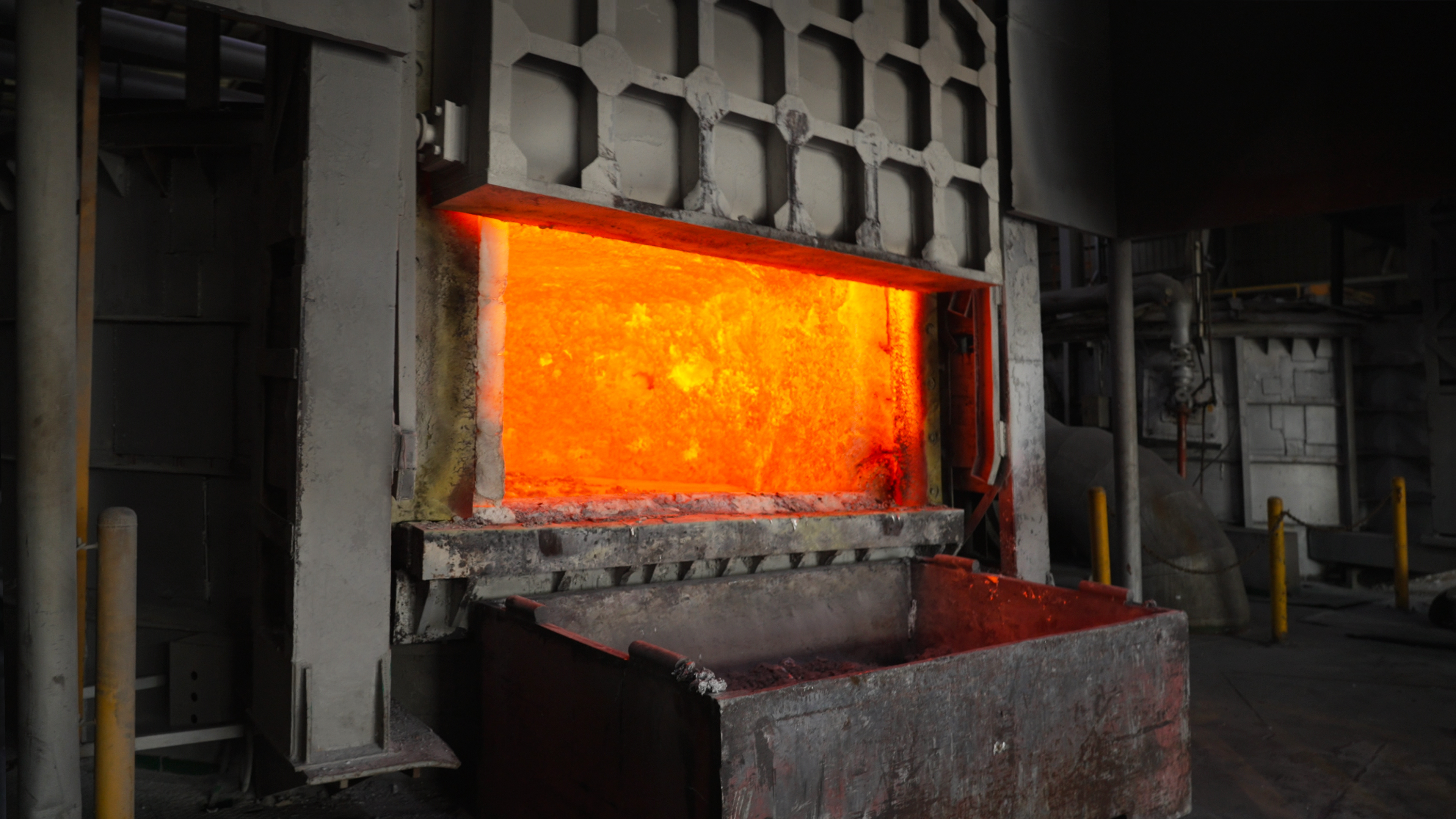
Strengthening Global Competitiveness Through K-Defense Exports
Aerospace and defense materials technology is constantly evolving, simultaneously pursuing lightweighting, advanced performance, and multifunctionality. Novel aluminum alloys and composite materials—which are lighter and stronger than traditional metals—are increasingly being applied to aircraft fuselages and fighter jet components. Active research is also underway to utilize additive manufacturing (3D printing) to efficiently produce parts with complex geometries and optimize material properties.
For instance, GE Aerospace's facility in Auburn, Alabama, produced over 100,000 fuel nozzle tips for LEAP engines using additive manufacturing (AM), proving that AM in the aerospace and defense sectors has moved well beyond the research phase and into high-volume production. Moreover, approximately 50 percent of the Boeing 787's structure is made of carbon composites, indicating that the optimal combination of composites, aluminum, and titanium has become the new standard for aerospace structural materials. Such technological evolution dramatically enhances the performance of aircraft and defense equipment, ultimately serving as the core driver that will reshape the future battlefield.
Major Export Achievements and New Opportunities
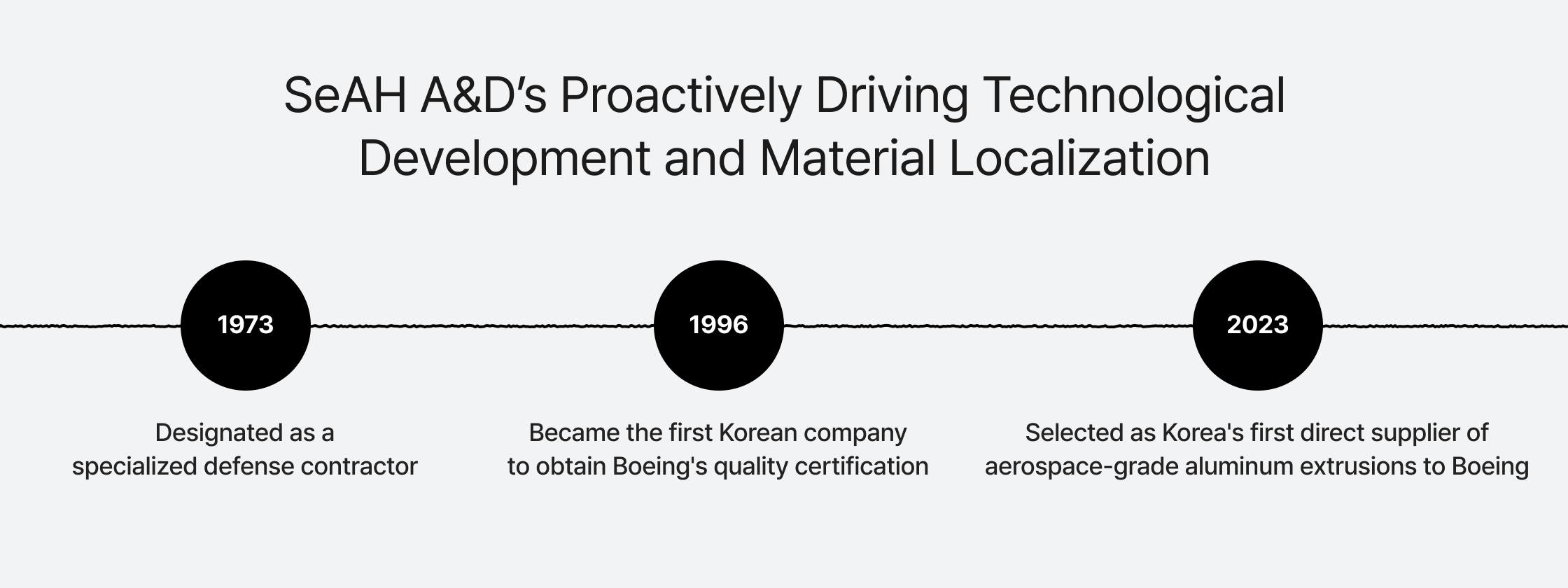
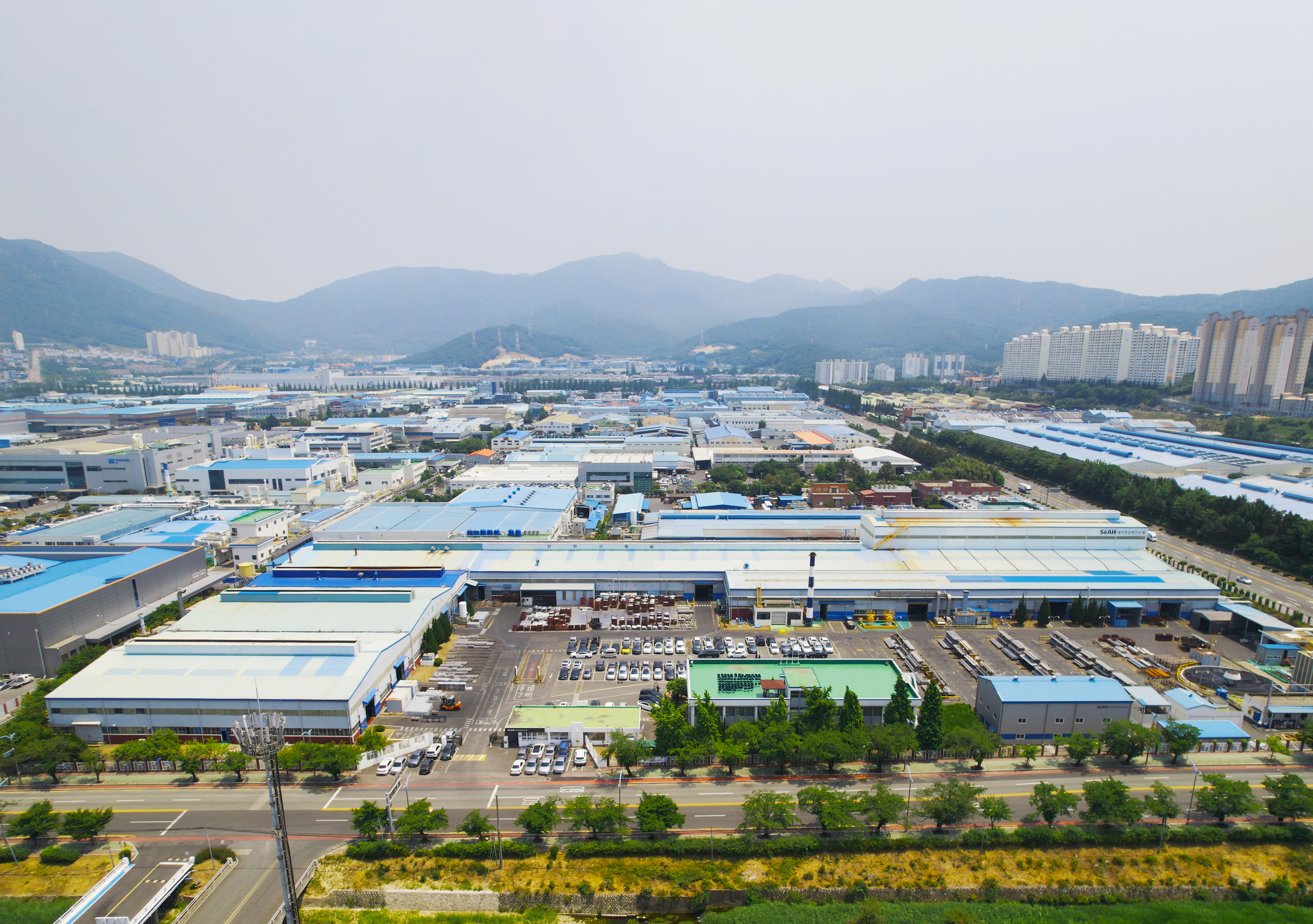
Amidst these major industry shifts, SeAH Aerospace & Defense (SeAH A&D) has proactively driven technological development and material localization. Since being designated as a defense material contractor in 1973, we have served as a crucial pillar of the national defense industry. In 1996, we became the first Korean company to obtain quality certification from Boeing, a global aircraft manufacturer. This milestone served as a monumental testament to the excellence and reliability of our materials technology on an international scale. Building on this legacy, we signed a contract to supply materials directly to Boeing as a Tier 1 supplier starting in 2024, playing a vital role in the global aviation supply chain.
Domestically, we have significantly contributed to localization by supplying aircraft fuselage and wing materials, as well as metal components for defense, to major aerospace and defense companies such as Korea Aerospace Industries (KAI) and Hanwha Aerospace. The technological expertise accumulated through these efforts now serves as a robust foundation for expanding into the global market and continuously enhancing our competitive edge.
SeAH A&D’s Technological Edge and Future Strategy
 The Role of Offset Programs and Quality Approval Systems
To ensure the sustained growth of the domestic aerospace and defense industry amidst the restructuring of the global supply chain, several critical imperatives must be addressed.
First, achieving self-reliance in core materials is an urgent task that can no longer be delayed. A stable supply of materials is directly linked to production stability and national security.
Second, continuous investment in pioneering R&D is essential. We must secure new materials and processing technologies that keep pace with evolving battlefield environments and technology trends to maintain a competitive edge in the global market.
Third, securing qualifications through offset programs is paramount. It is necessary to build a comprehensive ecosystem spanning the entire life cycle—from offset-based contracts to final delivery—through seamless cooperation between the government and manufacturers.
Although domestic defense exports experienced an adjustment phase in 2024, large-scale demand is expected to rebound with the finalization of the second K2 tank contract with Poland in 2025. Additionally, in the aerospace sector, the upcoming contract for 12 additional FA-50s with the Philippines in June 2025 is driving export diversification and expanding the need for local partnerships. Accordingly, the importance of offsets, local production, and collaboration on quality approvals is becoming increasingly critical.
Securing Technological Independence and Global Competitiveness
Self-reliance in materials and components transcends mere localization, serving as the core engine that drives the sustainable growth of Korea's aerospace and defense industry. SeAH A&D will maintain its unwavering dedication to advancing the domestic defense sector while securing a leadership position in the global market.
*Copyright belongs to SeAH Group. Unauthorized reproduction and redistribution are prohibited.
*This article was adapted from a contribution by Changbum Jang, Head of the R&D Center at SeAH Aerospace & Defense.
List