
webzine JUL/AUG 2026
From Hydrogen Transportation to RefuelingSeAH Besteel Localizes Core Material Technologies for Hydrogen Infrastructure
As the global energy transition toward carbon neutrality accelerates, the development of hydrogen infrastructure is emerging as a new source of industrial competitiveness. The hydrogen industry, which was once associated with mobility, is now expanding into decarbonization solutions for energy-intensive sectors such as steel, chemicals, and power generation, intensifying competition to secure infrastructure across the entire hydrogen value chain, from production to storage, transportation, and utilization. In particular, pipelines for high-pressure, mid- and long-distance hydrogen transportation, along with efficient storage and compression technologies, are considered key to establishing a stable hydrogen supply chain. In response to these trends, SeAH Besteel is accelerating its expansion into new markets for materials used in hydrogen infrastructure by becoming the first company in Korea to secure manufacturing technologies for core materials used in hydrogen pipeline networks and refueling stations.
SeAH Besteel has become the first company in Korea to secure manufacturing technologies for high-pressure seamless pipe materials for hydrogen transportation and hydrogen storage alloys for non-mechanical compressors. These two technologies were developed through the demonstration of 100-bar class high-pressure seamless pipe manufacturing and non-mechanical hydrogen refueling stations projects led by the Korea Evaluation Institute of Industrial Technology (KEIT), in which SeAH Besteel is participating in collaboration with the Korea Institute of Industrial Technology (KITECH) and other organizations.
Among these, the 100-bar-class high-pressure seamless pipe material is a key material for building mid- and long-distance pipeline networks for the safe transportation of gaseous hydrogen. It is a high-strength material with a yield strength of 485 MPa (API 5L X70), designed to maximize resistance to hydrogen embrittlement and maintain its metallic properties even in hydrogen environments.
Most hydrogen pipeline networks in Korea are currently operated at low pressures of less than 20 bar, limiting the large-scale transportation of hydrogen. With SeAH Besteel’s development of 100-bar-class high-pressure seamless pipe material technology, the company is expected to replace imported materials and contribute to the localization of high-pressure pipeline networks and supply chain stabilization.
In addition, SeAH Besteel has secured manufacturing technology for hydrogen storage alloys used in non-mechanical compressors. This enables the efficient compression and release of liquefied hydrogen at refueling stations.
In general, hydrogen refueling stations use mechanical compressors equipped with motor pumps to compress hydrogen for refueling. However, mechanical compressors have been considered a major obstacle to the expansion of hydrogen infrastructure, as their maintenance, repair, and installation costs account for as much as 48 percent of the total cost of building a refueling station.
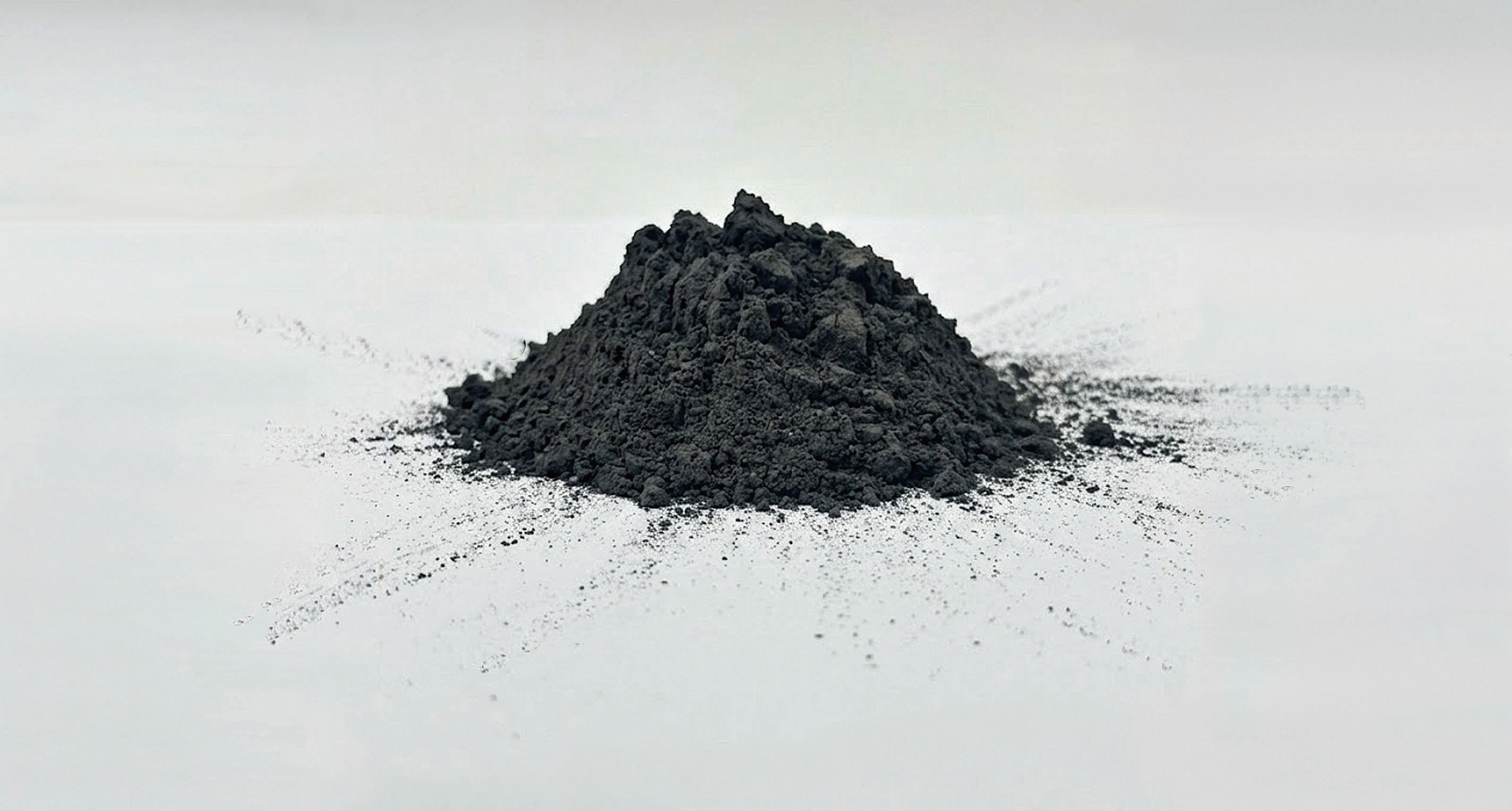
SeAH Besteel’s hydrogen storage alloy is injected in powder form into a sealed cylinder, where it absorbs and stores hydrogen and then releases the hydrogen at high pressure when heat is applied. By maximizing compression efficiency without a motor pump, the material is considered a key alternative to conventional, high-cost mechanical compressors.
In particular, higher pressures enable shorter refueling times and greater efficiency. The non-mechanical compressor using SeAH Besteel’s hydrogen storage alloy can achieve ultra-high-pressure compression of up to approximately 900 bar, exceeding the 700-bar refueling pressure commonly used for hydrogen-powered vehicles.
Both materials are based on proprietary technologies that SeAH Besteel has secured for the first time in Korea. The company plans to commercialize them following demonstration at the pilot plant level.
SeAH Besteel’s development of manufacturing technologies for these two core materials for hydrogen infrastructure is expected to significantly reduce reliance on imports and improve the economic viability of hydrogen infrastructure development.
SeAH Besteel plans to establish a stable domestic supply chain through thorough demonstration and commercialization processes and contribute to the expansion of the hydrogen infrastructure supply chain.
List