
insight 2026-08-27
SeAH’s Work-Hardened Wire Rods
Shifting Automotive Paradigms- By Hanmin Yoon, Advisor of the R&D Center at SeAH Special Steel
The world has entered a new era where reducing carbon emissions is no longer an option, but a matter of survival. The global push toward carbon neutrality by 2050 is driving a fundamental paradigm shift across the automotive industry.
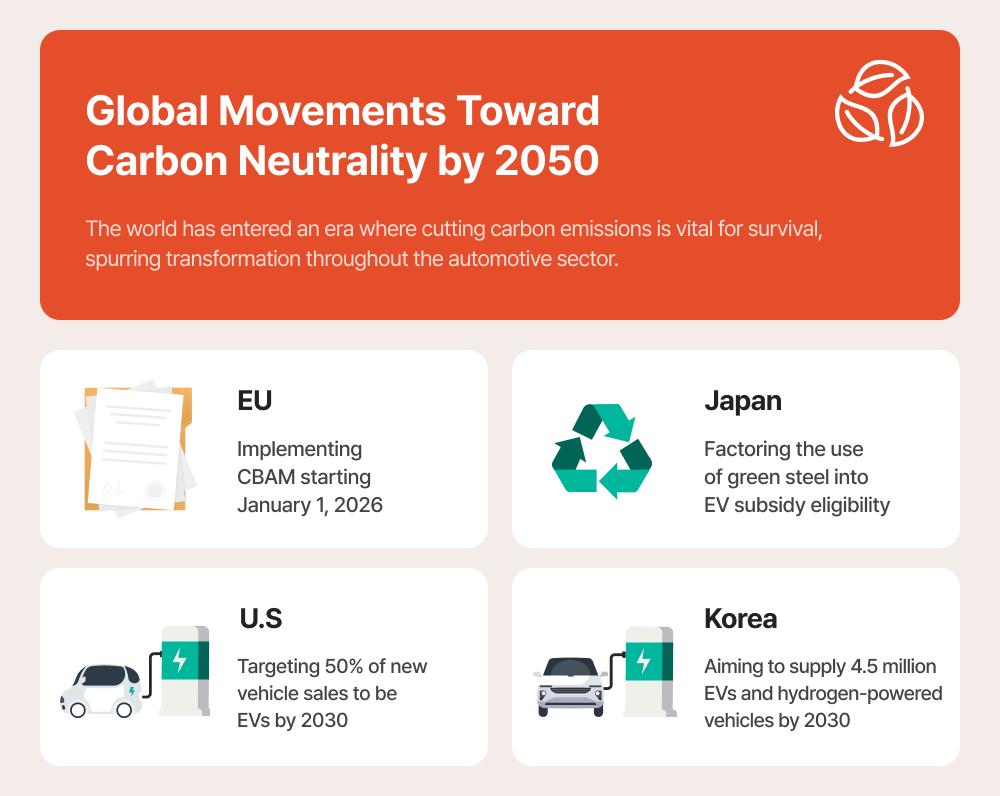
Starting January 1, 2026, the European Union (EU) will implement the Carbon Border Adjustment Mechanism (CBAM), requiring importers of carbon-intensive goods like steel to purchase carbon certificates. Furthermore, the EU plans to ban new sales of internal combustion engine (ICE) passenger cars from 2035. Japan has integrated green steel requirements into its EV subsidy policies. Meanwhile, the U.S. aims for 50 percent EV adoption for new cars by 2030, while Korea is targeting the deployment of 4.5 million EVs and hydrogen vehicles by the same year.
These regulatory shifts demand innovative, low-carbon steel materials. They signal that automakers’ decarbonization strategies are expanding beyond vehicle operation to encompass the entire manufacturing process. Automakers are actively working to reduce life-cycle carbon emissions (LCA)—the total carbon dioxide produced across a vehicle's entire life, from production to disposal.
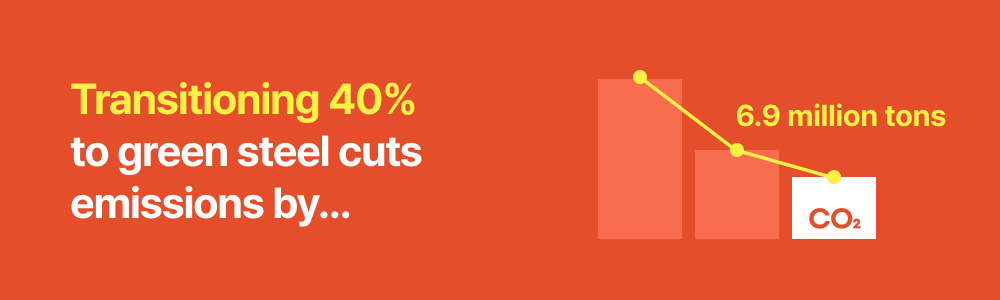
According to Transport & Environment (T&E), a European environmental organization, transitioning 40 percent of the steel used in new vehicles to green steel by 2030 could cut carbon dioxide emissions by 6.9 million tons annually. This reduction is equivalent to taking approximately 3.5 million internal combustion engine cars off the road for a year.
With the rapid expansion of EVs, vehicle weights have increased, triggering a surge in demand for lightweight materials such as ultra-high-strength steel, aluminum, and magnesium. By 2025, the average aluminum usage in European cars was expected to reach 200 kilograms. Tesla, for instance, employs gigacasting—integrating large components into single aluminum castings—to cut body weight by approximately 10 percent and reduce manufacturing costs by up to 40 percent.
To keep pace with these shifts in the automotive industry, SeAH Special Steel innovated its traditional steel manufacturing process to develop products that boast high strength and excellent formability without requiring heat treatment. This breakthrough led to work-hardened wire rods, SeAH Special Steel’s flagship eco-friendly steel product line.
The Development Process of SeAH Special Steel’s Work-Hardened Wire Rods
First, Anticipating Market Shifts With Customer-Centric R&D
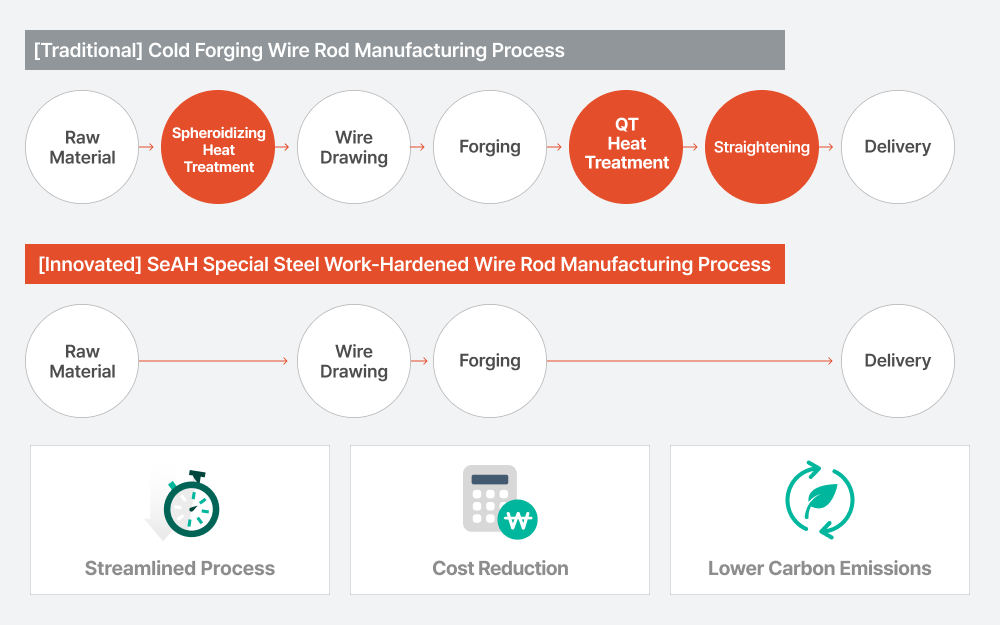
In general, cold forging wire rods that require a tensile strength of 800 MPa or higher must undergo complex heat treatment to achieve both high strength and formability. Wire drawing companies like SeAH Special Steel first perform spheroidizing heat treatment; then, forging companies carry out cold forging, followed by quenching & tempering (QT) heat treatment to satisfy component specifications. Repeating these heating and cooling cycles lengthens production lead time, boosts carbon emissions, and inflates costs while also causing potential delivery delays.
To solve these customer pain points, SeAH Special Steel developed work-hardened wire rods, which eliminate the heat treatment and straightening steps before and after forging. By anticipating the growing global demand for non-quenched/tempered steel products that shorten or bypass heat treatment, SeAH launched R&D early to deliver a product that simultaneously meets three core customer needs: process simplification, cost reduction, and lower carbon emissions.
Second, Achieving Technological Breakthroughs via Open Innovation
As Professor Henry Chesbrough of UC Berkeley defined, open innovation is the practice of leveraging external technologies, ideas, and partnerships to advance enterprise innovation. Based on this open framework, the SeAH Special Steel R&D Center collaborated with downstream and upstream customers, universities, and research institutes to optimize manufacturing processes.
By applying advanced drawing control technologies, SeAH Special Steel maximized the work-hardening effect during processing. This allowed the company to develop a core technology that delivers high strength, ductility, and cold forgeability, all without heat treatment. Preserving or even enhancing mechanical performance while skipping traditional heat treatment renders this a true disruptive technology.
This process innovation extends beyond component manufacturing, offering solutions to broader automotive challenges. For example, JFE Steel applied ultra-high-strength steel sheets, which achieve 1.5 GPa strength without separate heat treatment, to the Prius, while Audi reduced body frame weight by over 40% using an aluminum space frame structure, boosting both productivity and energy efficiency.
Third, Building an Integrated Collaboration System Across R&D, Sales, Production, and Procurement
Developing work-hardened wire rods required more than standalone R&D capabilities—it demanded a seamless, integrated development network spanning sales, production, and procurement. From the early stages, the R&D Center actively engaged with other departments and conducted close, on-site research to ensure fast, agile execution. This collaborative foundation enables rapid feedback and continuous refinement as market demand expands and custom developments increase.
SeAH Special Steel’s Commitment to Korea’s Automotive Materials Industry
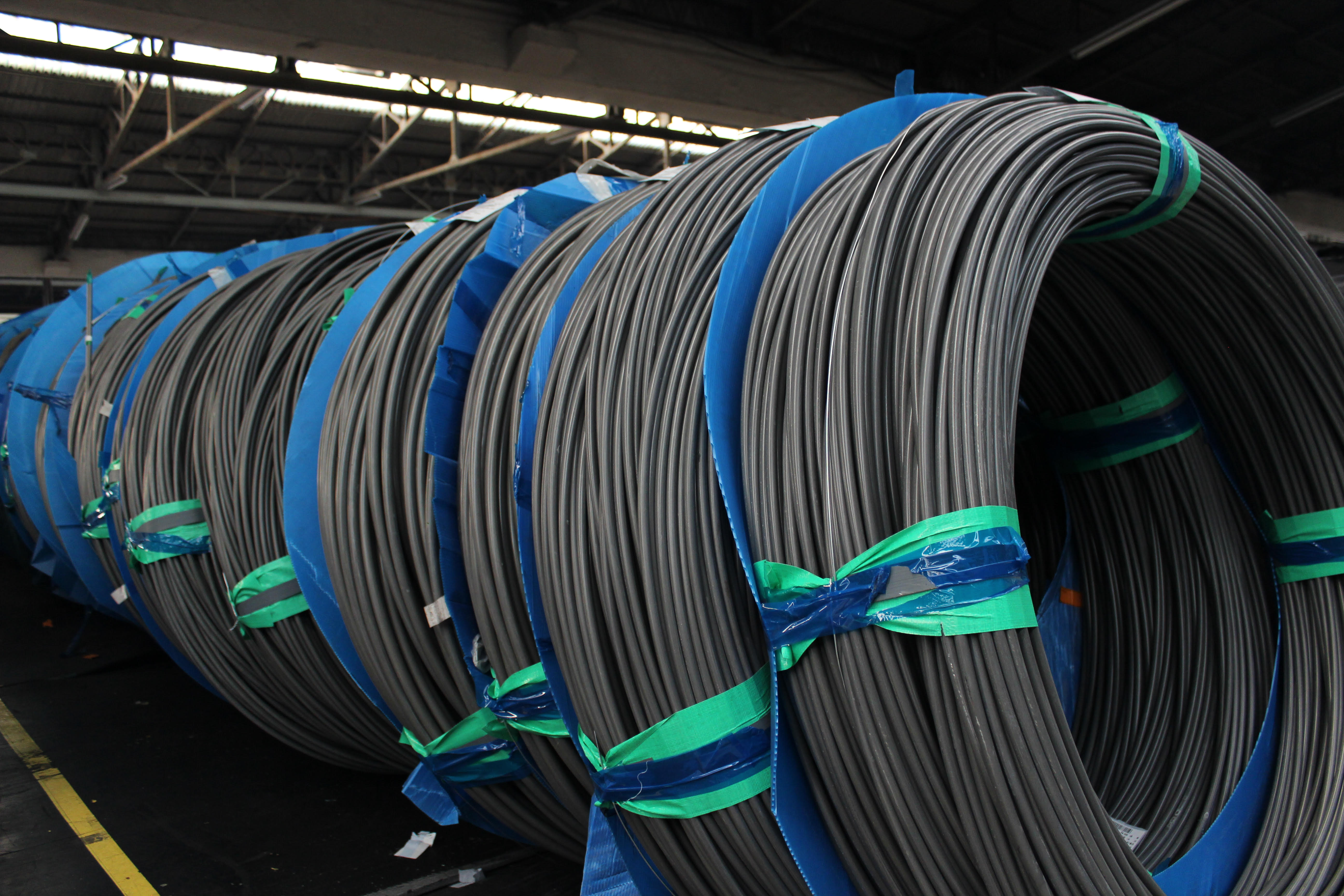
Recently, end customers—including automakers and tier-1 suppliers—have rapidly increased their demand for non-quenched/tempered work-hardened wire rods that deliver target mechanical properties without additional heat treatment, pushing the market into a major transition phase.
In response, SeAH Special Steel is co-developing higher-strength work-hardened wire rods with clients, tailored to diverse applications. Additionally, the company is building an intelligent manufacturing system powered by AI-based process forecasting and digital transformation (DX), driving process optimization, quality consistency, and overall production efficiency.
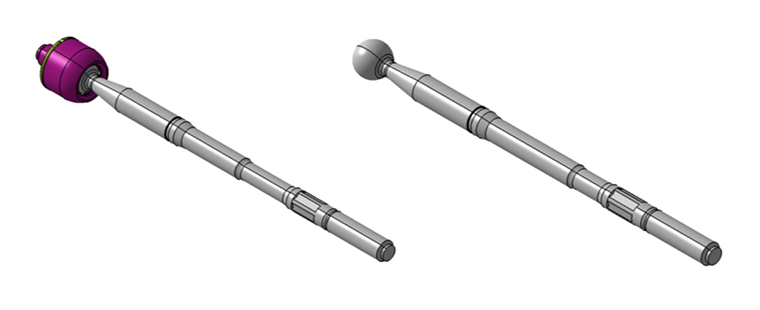
Key Application Component
Tie Rod
*Copyright belongs to SeAH Group. Unauthorized reproduction and redistribution are prohibited.
*This article was adapted from contributions by Hanmin Yoon, Advisor of the R&D Center, and Mingyu Oh, Team Leader of the Advanced Development Team at SeAH Special Steel.
List