
insight 2026-09-22
Steel Pipes: The Blood Vessels of Energy Infrastructure Driving the Energy Transition- By Sangryeul Ahn, Head of the R&D Center at SeAH Steel
The global energy market is currently at a complex inflection point, driven by two major concurrent trends: the advancement of traditional oil & gas development and the scale-up of renewable energy projects aimed at achieving carbon neutrality. Amidst these changes, the steel pipe industry, which serves as the blood vessels of energy infrastructure, is evolving beyond simple manufacturing into a core industry integrating various advanced engineering technologies.
The Evolution of Energy Projects From the Polar Regions to the Open Sea
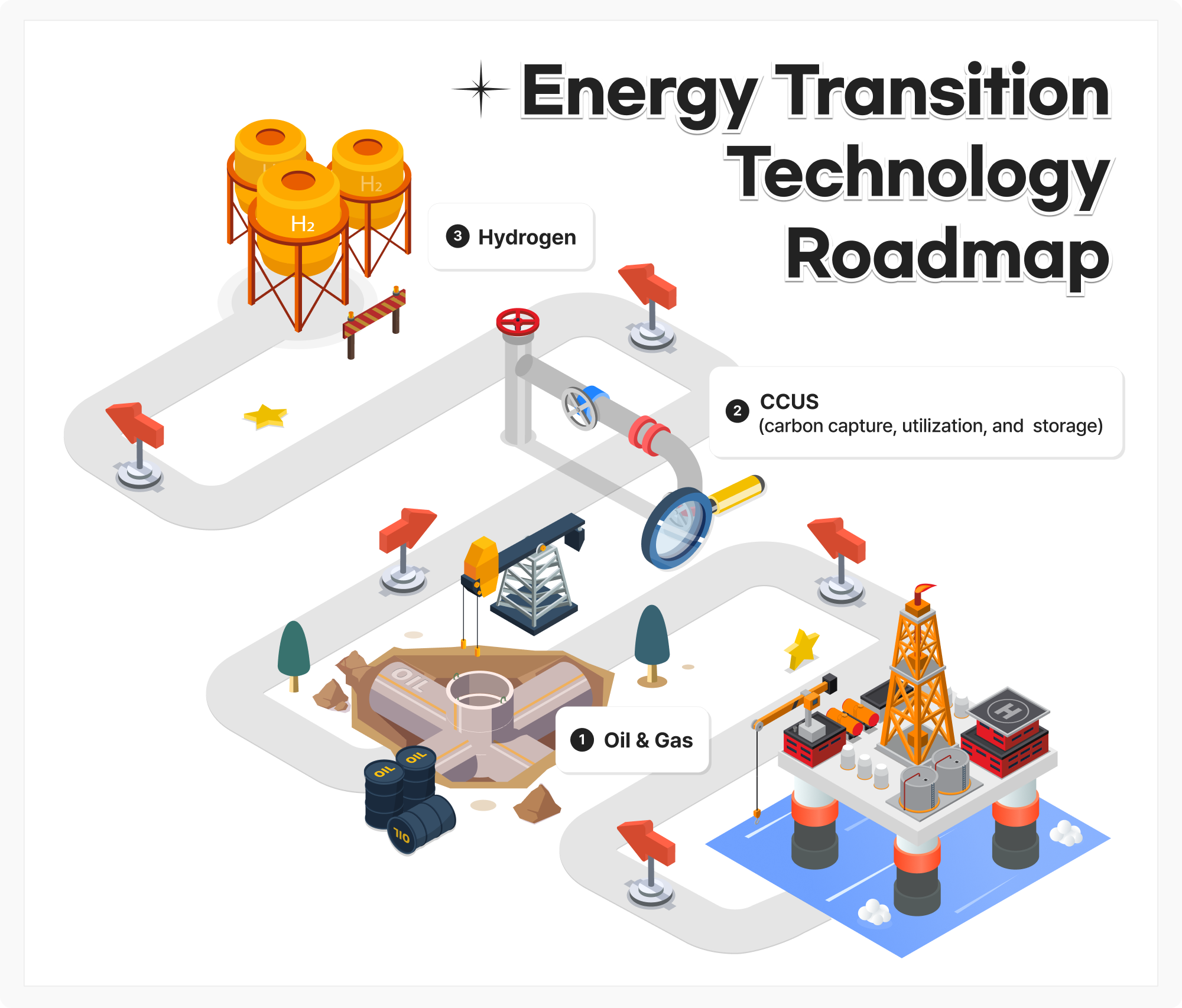 Expansion of Oil & Gas Development Into Deep-Sea and Polar Environments
Recent global energy projects are venturing into increasingly deeper and harsher environments. Oil and gas development now extends beyond deep waters exceeding 2,000 meters, reaching into severe polar regions and highly corrosive environments containing hydrogen sulfide. Furthermore, in well development, horizontal drilling techniques are rapidly replacing traditional vertical drilling. This shift has normalized extreme operating conditions—where requirements for temperature and pressure tolerance, seal integrity and durability, fracking frequency, and total well length are several times more demanding than those of conventional vertical wells. In this landscape, SeAH’s electric resistance welding (ERW) products are fiercely competing with alloy steel and seamless pipe manufacturers. Naturally, these changes demand an unprecedented level of reliability from SeAH’s steel pipes.
The Scale-Up of Offshore Wind Power and the Evolution of Steel Pipe Technology
Offshore energy facilities are rapidly increasing in size across the board. Monopiles for offshore wind power are scaling up dramatically, reaching 8–10 meters in diameter and weighing over 2,000 tons. As turbines become massive to maximize power generation efficiency, their supporting substructures (monopiles and jackets) are forced to grow proportionally. As a result, steel pipes are no longer simple structural components; they have become mission-critical materials tasked with enduring thousands of tons of load, relentless dynamic stresses from strong winds and rough waves, and severe seawater corrosion for decades. This harsh reality necessitates sophisticated fatigue design and highly advanced engineering technologies.
Bridging the Energy Transition: From Oil Sands to CCUS and Hydrogen
Extreme Environment Technologies Proven in the SAGD Project
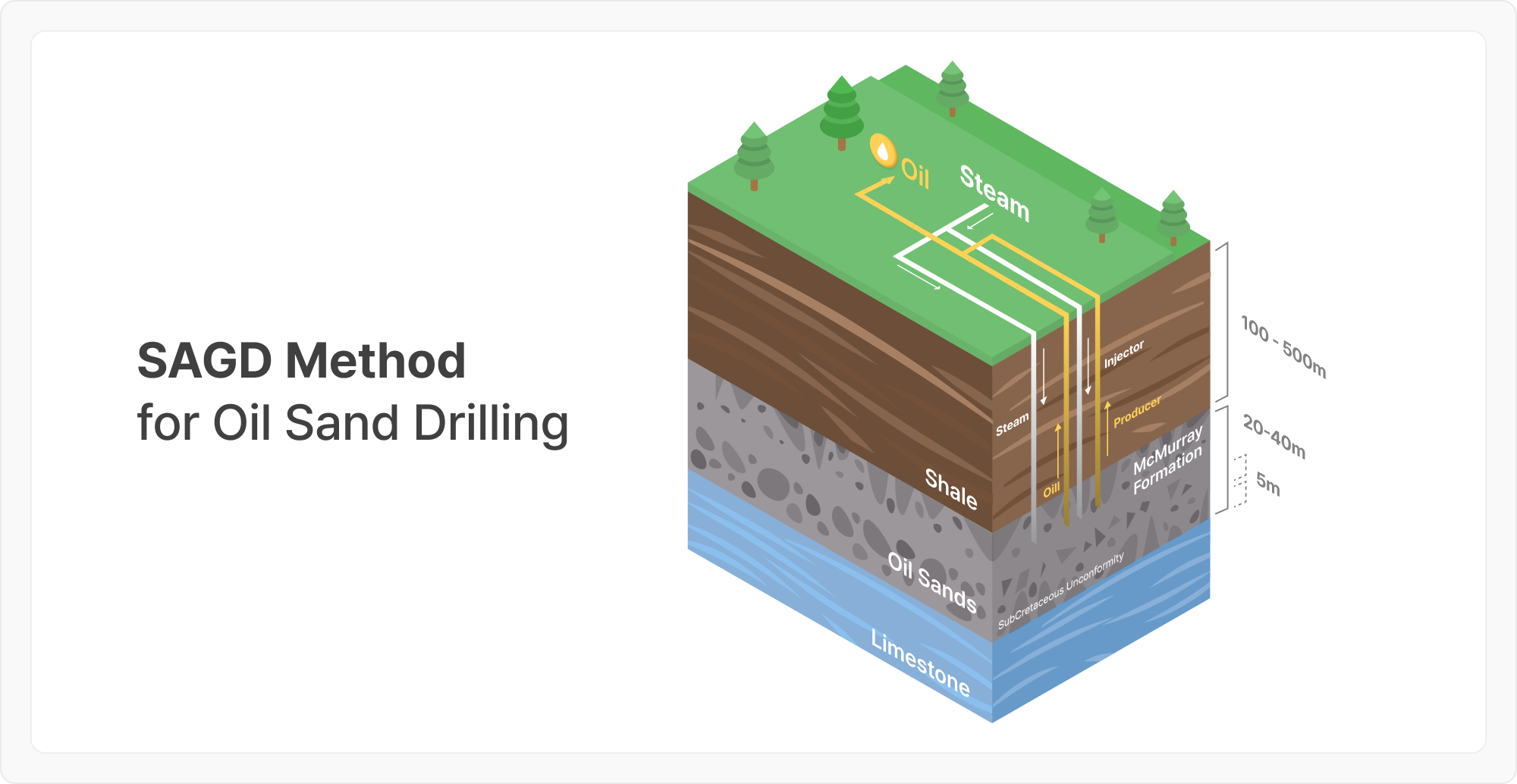
SeAH Steel is pioneering new markets by participating in the steam-assisted gravity drainage (SAGD) project, which operates in the unforgiving environments of Canada. SAGD is an advanced technique that injects high-temperature steam into oil sand reservoirs to mobilize heavy oil, then utilizes gravity for extraction. SeAH Steel engineered a breakthrough to meet the extreme dual requirements of this environment: maintaining high fracture toughness at cryogenic temperatures of minus 45 degrees Celsius while simultaneously providing the intense heat resistance needed to transport superheated steam.
This hard-won milestone is the culmination of over two years of specialized research, rigorous field testing, and steadfast client collaboration. Furthermore, to enhance its competitive edge in the global Oil Country Tubular Goods (OCTG) market, the company has successfully developed and commercialized its premium proprietary line, the SeAH80-110 series.
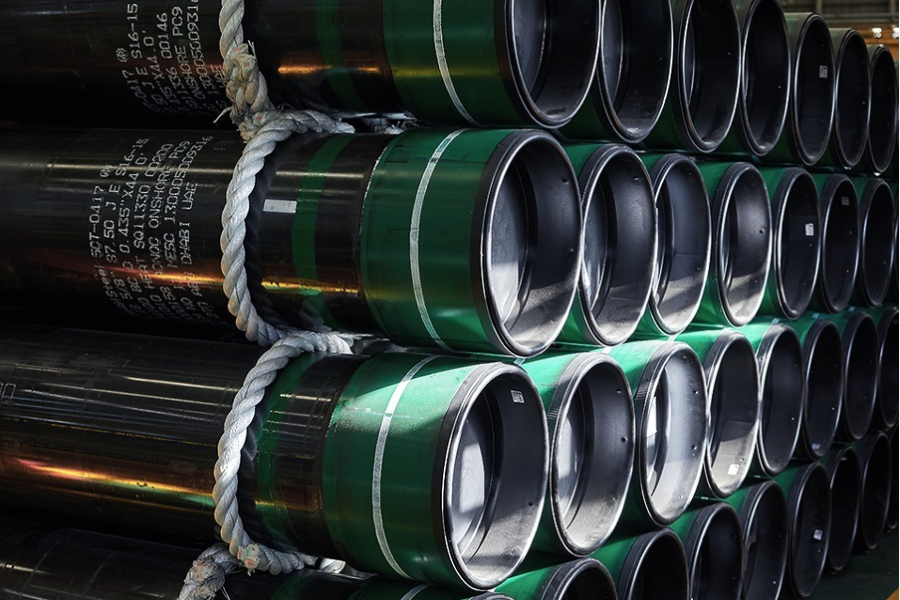
OCTG Steel Pipes
The Expansion of Steel Pipe Technology Into CCUS and Hydrogen Infrastructure
The engineering expertise forged through these extreme projects is seamlessly transitioning into infrastructure for next-generation energy sources: carbon capture, utilization, and storage (CCUS) and hydrogen. In North America, thousands of kilometers of carbon dioxide pipelines are already operating reliably, demonstrating that CCUS has advanced past the proof-of-concept phase to become a fully realized infrastructure sector.
Transporting high-pressure carbon dioxide for CCUS demands uncompromising material performance, making low-temperature toughness and exceptional crack resistance during rapid decompression non-negotiable requirements. Similarly, pipelines designed for hydrogen transport must conquer hydrogen embrittlement—a severe degradation caused when the smallest of molecules penetrate the metal. By engineering high-strength, high-toughness, and highly corrosion-resistant steel pipes tailored specifically for these harsh environments, SeAH Steel is cementing its position as an indispensable supplier in the future energy value chain.
Competitiveness Built on Proactive Research and Accumulated Data
Rather than merely reacting to short-term market demands, SeAH Steel has consistently channeled investments into forward-looking research and development. The advanced offshore wind production lines at the Suncheon plant and SeAH Wind, along with the extensive OCTG facility lineup in North America, stand as the culmination of decades of accumulated manufacturing data, technological expertise, and anticipatory R&D. The company guarantees uncompromising quality by embedding AI and digital transformation (DX) across every stage of production—from material design and microstructural control to high-precision welding. More than just the massive footprint of its facilities, SeAH Steel’s true competitive edge is firmly anchored in its vast repository of technical data and a bold commitment to exploratory research.
The future trajectory of steel pipe manufacturing is unmistakable. The industry is rapidly evolving past the basic mandate of producing sound pipes to deliver highly engineered customized solutions. This paradigm shift requires simulating the distinct characteristics of the transported energy alongside the exact physical stresses of the installation and operating environments well in advance, ensuring the delivery of fully optimized, high-performance products.
Beyond Energy Transition to Future Energy Infrastructure
In the energy sector, steel pipes serve as the vital arteries connecting every stage of the value chain. Spanning from conventional drilling sites to advanced offshore wind farms, CCUS, and hydrogen facilities, SeAH Steel is poised to cement its status as the industry's most trusted partner.
The drive for technological evolution never ceases. By relentlessly pushing the boundaries of quality and engineering, SeAH Steel will continue to spearhead the development of safe and sustainable energy infrastructure. This stands as our unwavering promise and the testament to SeAH Steel’s enduring leadership in the energy landscape of tomorrow.
※ Copyright belongs to SeAH Group. Unauthorized reproduction and redistribution are prohibited.
※ This article was adapted from a contribution by Sangryeul Ahn, Head of the R&D Center at SeAH Steel.
List