
insight 2026-06-23
Where Are Special Alloys Used?The Future Material Eyed by the Aerospace and Energy Industries
Space launch vehicles, aircraft engines, power generation turbines, and semiconductor manufacturing equipment must all maintain stable performance under extreme conditions. As advanced industrial technology progresses, the performance standards demanded of metallic materials are rising. In the midst of this shift, special alloys are stepping onto the center stage.
Metals That Transcend Limits
The Heat and Corrosion Resistance Limits of Conventional Metals
Conventional metals such as steel and aluminum are widely used across various industries, including construction, machinery, and automotive. However, as operating environments become more severe, limitations arise in maintaining the stable performance of these conventional metals.
At high temperatures, the inherent strength of the metal can degrade. Protracted exposure to corrosive environments leads to surface damage and shortened lifespans. Furthermore, continuous cyclic loading increases the risk of cracking and fatigue failure. As conventional metals struggle to meet the increasingly complex demands of modern industrial environments, the need for new materials capable of delivering higher levels of performance has grown.
New Material Requirements Driven by Aerospace, Semiconductor, and Energy Industries
As cutting-edge industries evolve, the criteria required for materials have become far more granular and complex compared to the past. The aerospace industry simultaneously demands high-strength heat resistance capable of enduring extreme environments and lightweight properties for fuselages. The semiconductor industry prioritizes high purity and quality uniformity to control microscopic impurities and secure the stability of fine processes. Meanwhile, the energy industry requires durability and reliability that can operate stably even under long-term high-temperature and high-pressure conditions.
These shifts have transformed manufacturing paradigms, further elevating the importance of highly functional metallic materials optimized for the specific operating environments of each industry.
Characteristics of Special Alloys Developed for Extreme Environments
Special alloys are highly functional metallic materials engineered to respond to these precise industrial demands. They are manufactured by precisely combining various alloying elements, such as nickel, chromium, molybdenum, cobalt, and titanium. The composition of elements and manufacturing methods vary depending on the required performance. This process secures exceptional properties—such as ultra-high heat resistance, high corrosion resistance, and high strength—that are difficult to achieve with conventional metals. As their performance can be optimized for specific operating environments, special alloys serve as core infrastructure for various advanced industries, including aerospace, energy, and semiconductors.
The Difference Between Special Alloys and Conventional Metals
Customized Alloy Design to Enhance Strength and Heat Resistance
One of the primary differences between conventional metals and special alloys lies in how the materials are designed. While conventional metals focus on utilizing their natural, inherent physical properties, special alloys are engineered to achieve specific target performances based on their intended use.
For instance, they can maximize heat resistance and strength in high-temperature environments or enhance corrosion resistance in corrosive environments, enabling precise performance delivery tailored to specific requirements. Since the final characteristics depend on which elements are blended, in what proportions, and through which processes, sophisticated design technology targeting the desired performance is utilized right from the material development stage.
Structural Stability Maintained Even in Extreme Environments
The divergence between conventional metals and special alloys becomes even more pronounced over time. Extreme environments featuring sustained high temperatures, high pressures, and cyclic loads can alter the internal microstructure of metals, leading to performance degradation and reduced lifespans.
In contrast, special alloys are developed to maintain their physical properties and structural stability even under severe, long-term operating conditions. This characteristic directly impacts the extension of industrial equipment lifespan and the reduction of maintenance cycles, serving as an unrivaled product competitive advantage in industries that require long-term stable operations.
Where Are Special Alloys Used?
Aerospace: Superalloys Enduring the Harsh Environment of Space
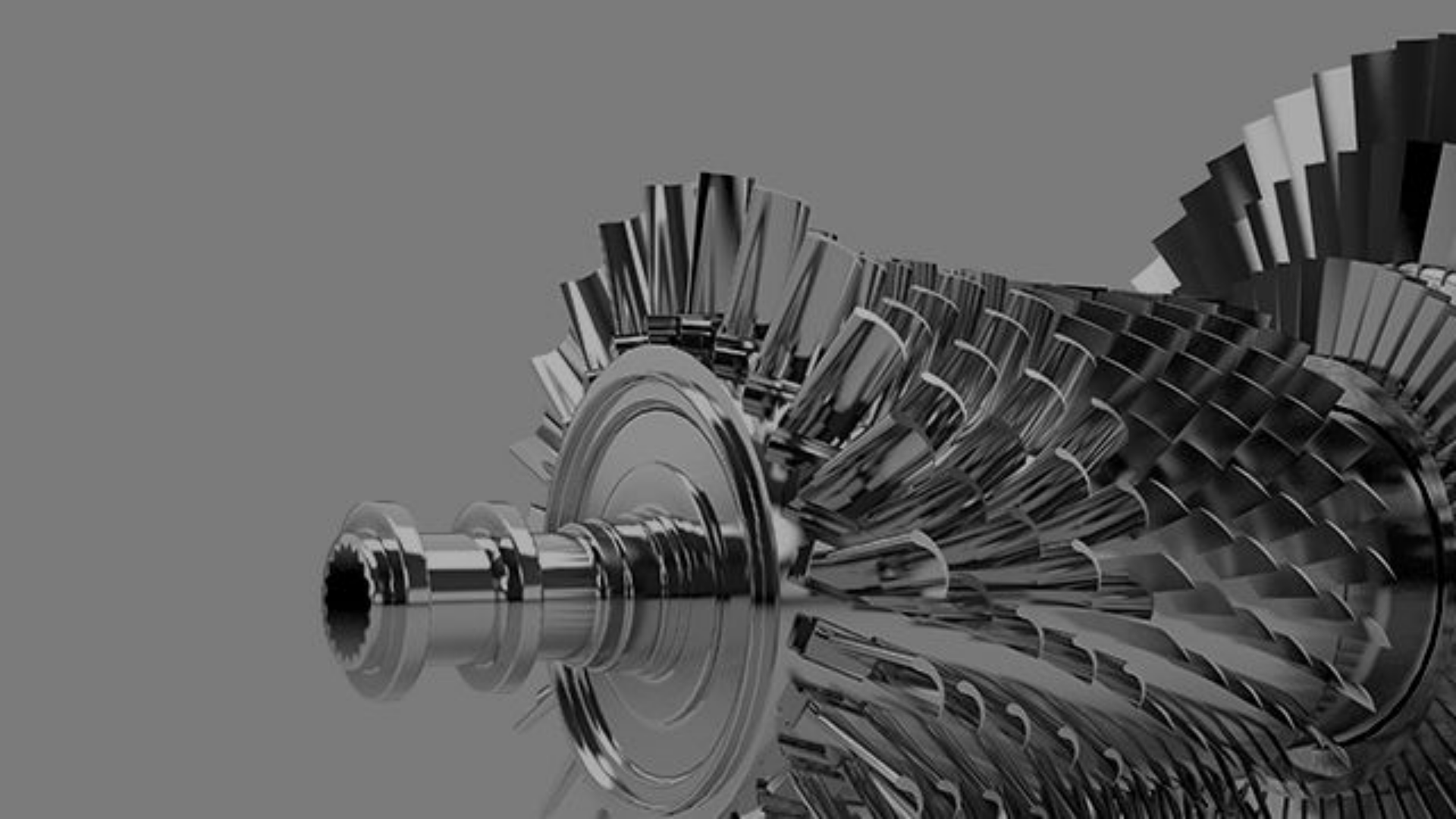
The aerospace industry is the sector where special alloys are most actively utilized. Aircraft engines and space launch vehicles are exposed to ultra-high temperatures and high-pressure environments while simultaneously requiring lightweight designs, necessitating a higher tier of physical properties than conventional metals. In particular, nickel-based superalloys, which do not deform even at high temperatures, are essential for turbine blades and combustor components inside engines. Driven by the expansion of the private space industry, the demand for these materials continues to grow.
Power Generation and Energy: Core Materials for Power Turbines and Nuclear Facilities
Long-term stable equipment operation is paramount in the power generation and energy industries. Special alloys capable of maintaining performance under high-temperature and high-pressure environments are applied to gas turbines, nuclear power facilities, and petrochemical plants. Representative applications include turbine components, heat exchangers, pressure vessels, and piping. Recently, with the expansion of the hydrogen industry as a prominent future energy source, demand is also rising for related materials capable of overcoming hydrogen embrittlement.
Semiconductors, Electronics and Industrial Equipment: Advanced Processes Requiring High Purity and Corrosion Resistance
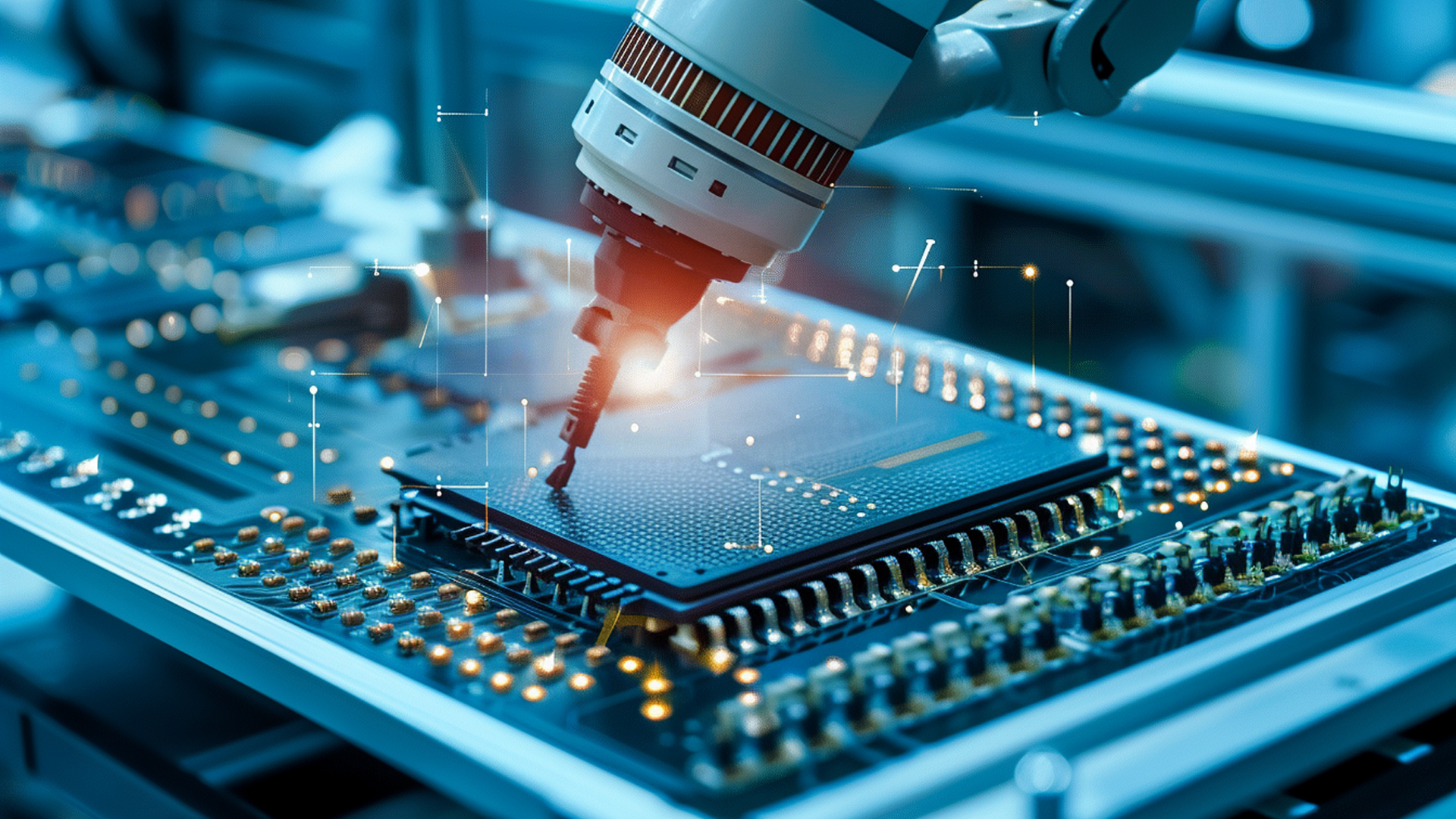
In the semiconductor and electronics industries, even microscopic contaminants or impurities can fatally impact product quality and yield, making high-purity materials critical. Accordingly, special alloys that minimize impurity emissions and ensure quality uniformity are used in semiconductor manufacturing equipment.
In addition, chemical processes and industrial facilities are frequently exposed to corrosive substances and high-temperature environments, leading to the application of special alloys with excellent corrosion resistance and durability. Thanks to these traits, special alloys serve as a vital foundation supporting the stable operation of advanced manufacturing processes and industrial facilities.
The Performance Difference Made by Micro-Component Control
Special alloys require far more precise compositional management than conventional metals. Even a minute variation in the content of alloying elements can severely impact final physical properties, such as strength, heat resistance, corrosion resistance, and fatigue characteristics. Materials used in the aerospace and semiconductor industries, in particular, must satisfy exceptionally strict quality standards, meaning precise composition management begins right from the raw material charging stage.
Manufacturing special alloys is not simply a matter of melting metals. The processing technology—which accurately realizes the targeted performance through sophisticated melting, special refining, and casting—serves as a company's core competitiveness.
Why Manufacturing Special Alloys Takes Extreme Precision: Core Process Technologies
The Core of High-Purity Melting: VIM, VAR, and ESR Processes
Special alloys for advanced industries cannot satisfy performance requirements through conventional melting processes alone. This is because materials used in aerospace, semiconductors, and energy demand extremely high purity and uniform internal microstructures.
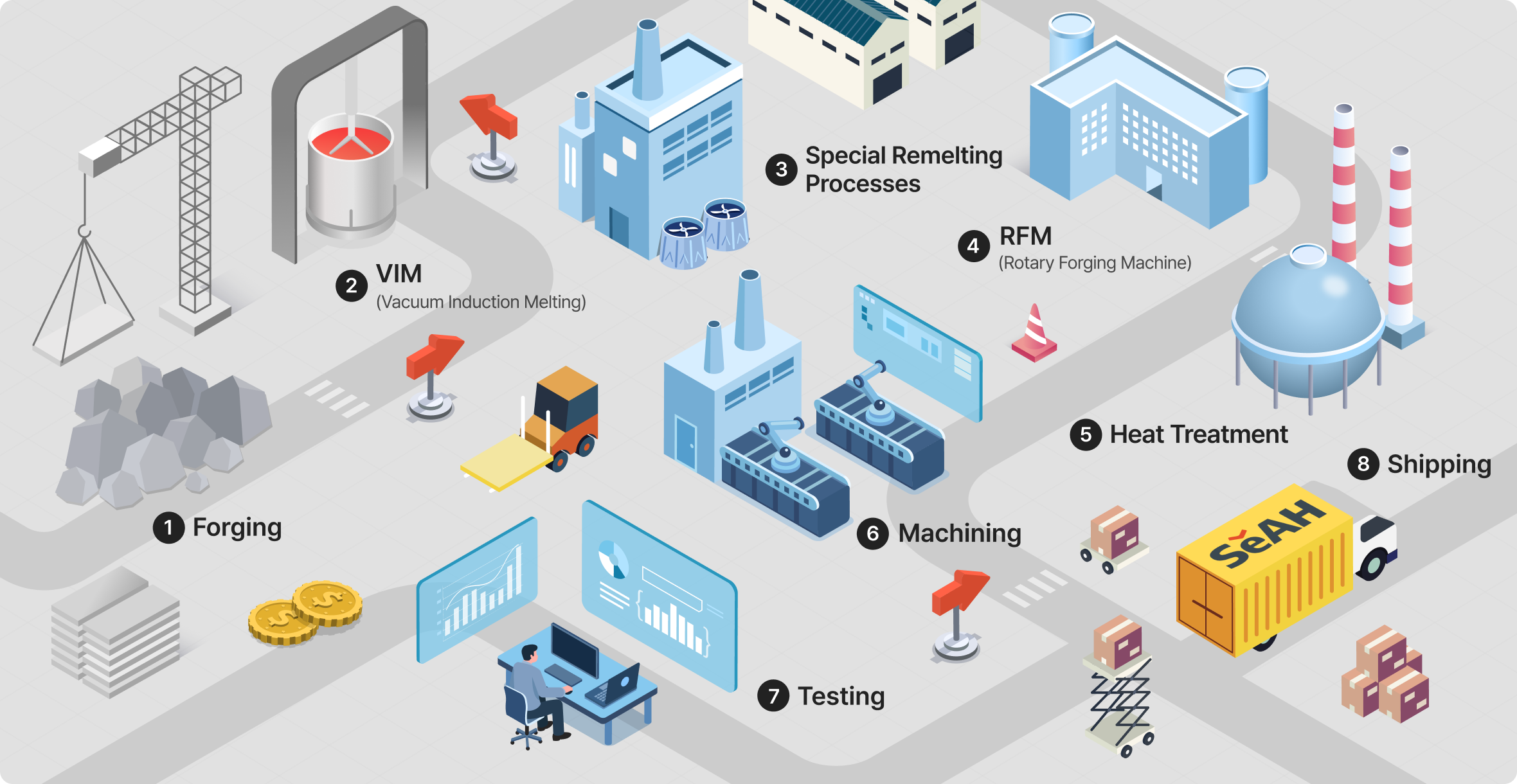
Special alloy production begins with charging raw materials followed by the vacuum induction melting (VIM) process. VIM is a technology that melts metal in a vacuum completely sealed off from the atmosphere, minimizing the influx of gaseous impurities such as oxygen and nitrogen to enable the production of high-purity materials.
Depending on the production purpose and final application, the material then undergoes special remelting processes such as vacuum arc remelting (VAR) or electro slag remelting (ESR). These remelting processes play a critical role in making the internal microstructure of the metal extremely uniform and removing fine inclusions and impurities, thereby enhancing the quality and reliability of the material. After refining, the material is finalized into finished products through downstream processes, including forging, heat treatment, machining, and testing. High-purity melting and special remelting technologies are recognized as the core processes that dictate special alloy performance.
The Integrated Production System That Determines Quality Uniformity
For special alloys, maintaining consistent quality is just as important as high performance. In the aerospace and energy industries especially, even a minor variance or minute defect in the material can directly impact product performance and safety. Therefore, seamless quality control across the entire production process is essential.
Quality consistency can be maximized when all processes—from raw material charging to VIM melting, special remelting (VAR/ESR), forging, heat treatment, machining, testing, and shipping—are organically connected within a single line. For this reason, an integrated production system is considered a crucial competitive edge in special alloy manufacturing technology and a core foundation leading the high-value special alloy market.
SeAH CSS' Unrivaled Special Alloy Technology
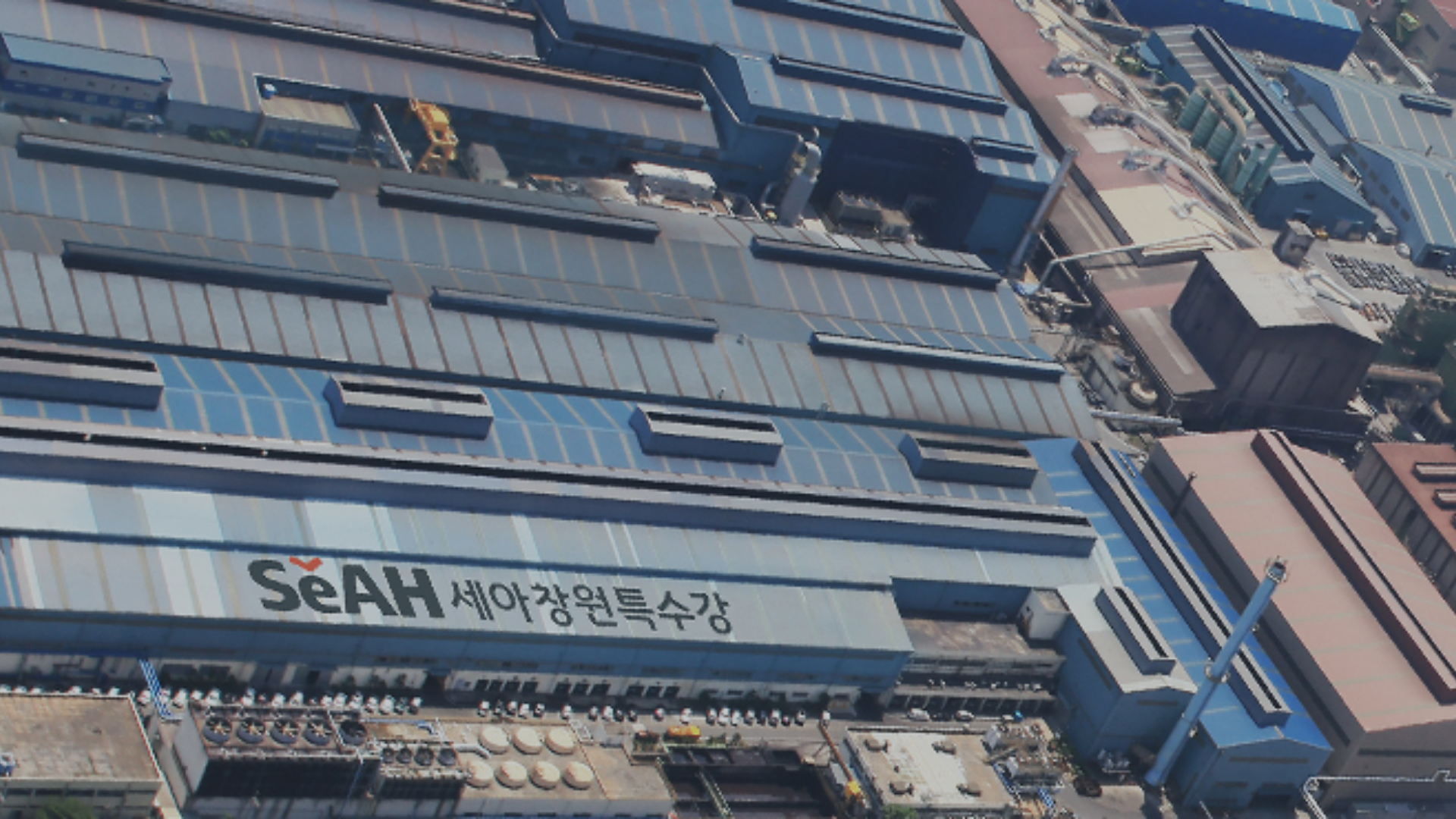
Panoramic view of SeAH CSS plant
Establishing Korea's Top-Tier Integrated Production Line for Special Alloys
Based on a steelmaking capacity of 1.2 million tons per year and a fully integrated production system, SeAH CSS produces world-class premium special steels and special alloys. By building a production infrastructure that flows seamlessly from raw materials to steelmaking, rolling, heat treatment, and precision machining, the company has strengthened its quality control and supply response capabilities, stably meeting the needs of advanced industries requiring high-value materials.
Aerospace and Global Advanced Material Certification Achievements
The aerospace industry demands the highest level of quality reliability and technical verification in the global materials market. Since minor material defects tie directly to safety, high-purity material production technology and rigorous quality management capabilities are mandatory.
SeAH CSS has continuously expanded the development of special materials for aerospace based on high-purity special melting technologies like VIM and VAR. In 2023, the company successfully localized special metal component materials for commercial aircraft in partnership with Korea Aerospace Industries (KAI), proving its unrivaled technological competitiveness in the market.
Application Fields Expanding into Hydrogen and Future Energy Industries
Beyond aerospace, special alloys are rapidly gaining traction in the future eco-friendly energy sector. The hydrogen industry, in particular, has emerged as a promising blue ocean market; its extreme high-pressure environments demand strict material stability and durability, driving a steady rise in the need for high-performance special alloys.
Capitalizing on the growth of the future energy market, SeAH CSS is accelerating the development of materials for hydrogen storage and transportation, expanding its reach into next-generation energy sectors with differentiated technical prowess.
From Bars to Wire Rods: A Product Portfolio Tailored to Diverse Industry Needs
Special alloys require different shapes and specifications depending on the application industry and purpose of use. This means that even for the same material, the scope of utilization is determined by the capability to process and supply it in the form desired by the customer.
Utilizing its integrated production system, SeAH CSS produces master alloys as well as high-value products in various shapes, including steel bars, wire rods, steel pipes, and flat bars. The company has established a broad product portfolio to optimize material supply according to customer requirements, addressing the material needs of diverse key industrial sectors such as aerospace, defense, petrochemicals, power generation, automotive, semiconductors, and electronics.
Outlook for Future Advanced Industries and Special Alloys
Expanding Aerospace Industry and Preempting Material Demand
As the era of private-led space exploration unfolds and the next-generation aviation industry accelerates, the demand for high-value special alloys is poised for significant expansion. Given that this field demands rigorous national certifications and stringent quality verification, the value of companies possessing advanced material production technology is projected to rise even further.
Green Energy Transition and the Value of Highly Functional Alloys
With the advancement of the hydrogen economy and the expansion of next-generation power sources—such as small modular reactors (SMRs) and renewable energy—demand for highly functional special alloys is surging concurrently. This shift in the energy paradigm underscores the critical importance of technological development for core alloy materials that underpin next-generation energy industries.
A Pivotal Role in Future Advanced Industries
Special alloys are core foundational materials supporting the performance and reliability of advanced manufacturing. Moving forward, their importance and market size are expected to grow even further, moving in tandem with the development of the global aerospace, future energy, and high-precision semiconductor industries.
Special Alloy FAQ

What is the strongest alloy?
The strength of an alloy varies depending on its purpose of use and measurement criteria. Generally, nickel-based superalloys used in aircraft engines and space launch vehicles are regarded as the definitive high-performance alloys, retaining excellent strength even in ultra-high temperature environments. Other notable high-strength materials include titanium alloys, renowned for their high strength and lightweight properties, and maraging steel, which possesses extreme toughness.
What types of alloys are there?
Alloys can be classified into ferrous alloys (iron-based) and non-ferrous alloys (based on nickel, titanium, aluminum, etc.). Representative examples include stainless steel, tool steel, mold steel, nickel alloys, titanium alloys, and cobalt alloys. A diverse range of types is utilized across industries depending on the operating environment and required performance.
Where are special alloys used?
Special alloys are primarily used in extreme environments that conventional metals cannot withstand. They are utilized across industries where high-temperature, high-pressure, and corrosive environments occur, such as aircraft engines, space launch vehicles, power generation turbines, nuclear facilities, petrochemical plants, semiconductor manufacturing equipment, and electronics component production lines.
What is the difference between special steel and special alloys?
Special steel refers to highly functional iron-based materials engineered with various alloying elements to enhance specific performance characteristics. By contrast, special alloy is a broader, higher-tier concept encompassing not only iron-based materials, but also high-performance alloys centered around non-ferrous metals such as nickel, cobalt, and titanium. In short, special steel is essentially a subset of the broader special alloys field.
How does SeAH CSS' special alloy process work?
SeAH CSS produces special alloys utilizing world-class, advanced special remelting processes, including vacuum induction melting (VIM), vacuum arc remelting (VAR), and electro slag remelting (ESR). Furthermore, the company has established an integrated production system where the entire process—from forging to rolling, heat treatment, machining, and testing—is executed within a single facility, driving both quality consistency and operational efficiency.
Which industries are SeAH CSS products primarily supplied to?
SeAH CSS' special alloy products are widely supplied to core global manufacturing sectors, including aerospace, defense, power generation, petrochemicals, automotive, semiconductors, and electronics. The company is continuously expanding its application footprint, focusing particularly on cutting-edge tech industries that require ultra-high heat resistance and high-purity characteristics.
List