
insight 2026-06-16
Why Don’t Airplane Engines Melt?The Story of Superalloys Withstanding Extreme Temperatures
The internal temperature of an aircraft engine rises above 1,500 Celsius. Most metals lose their shape and melt at this temperature, yet aircraft fly safely and stably. How can metal endure in an environment where melting is the expected norm?
The answer goes beyond simple heat resistance. It lies in advanced materials technology engineered specifically for extreme conditions: superalloys.
What Are Superalloys?
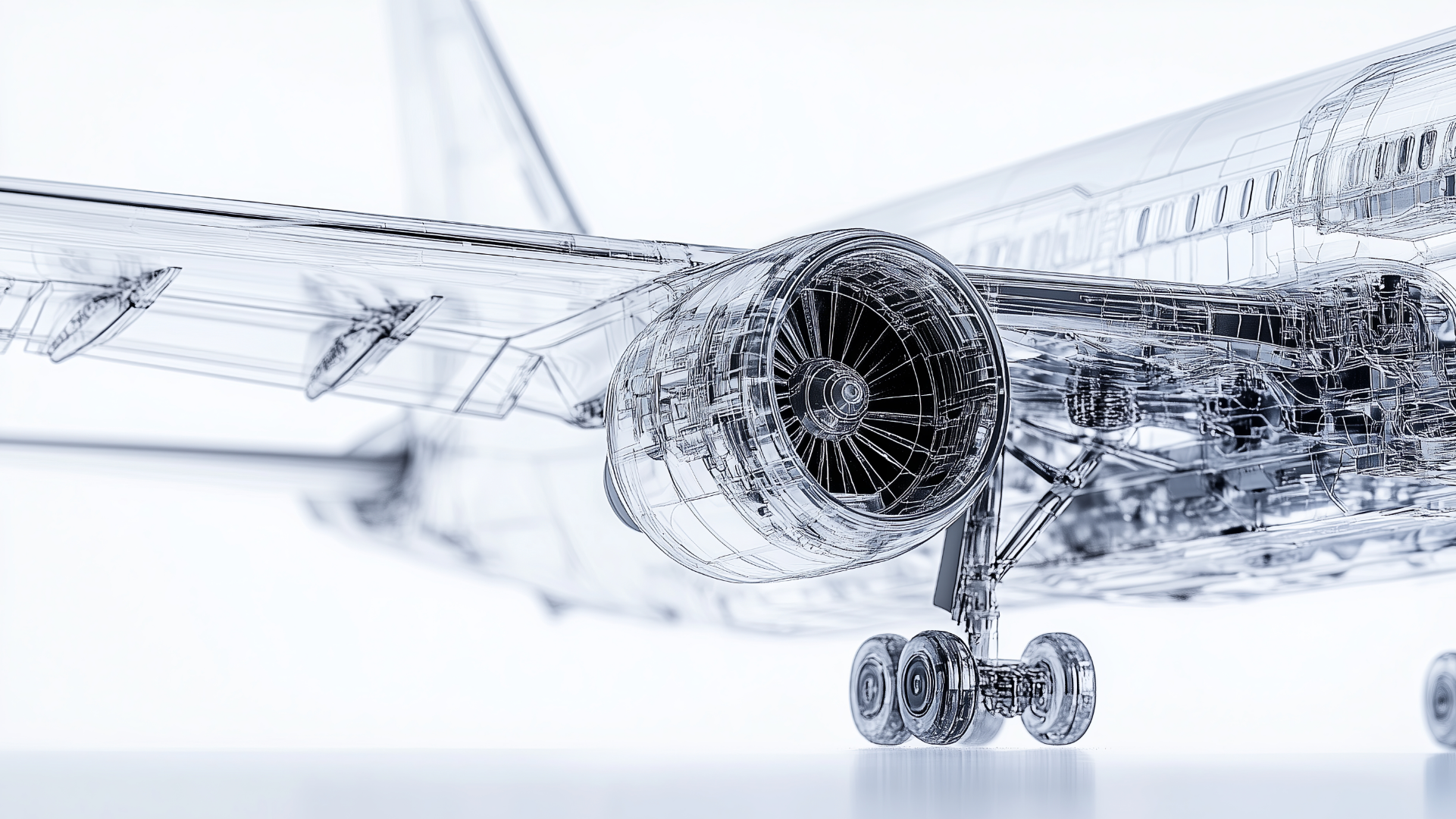
The Extreme Temperatures We Don’t See
In industrial fields, the high temperature is not just a matter of numbers. Aircraft engines, gas turbines, and nuclear power facilities experience hundreds to thousands of degrees of heat alongside intense pressure, oxidation, and corrosion. In particular, the turbine inlet temperature of an aircraft reaches 1,400 to 1,600 Celsius, approaching or even exceeding the melting point of iron, approximately 1,538 Celsius.
The critical factor here is that this high temperature is sustained. Under thousands of hours of repeated heat and load, metals cannot survive merely by not melting.
Environments Where Standard Metals Fail
Metals lose their strength sharply at high temperatures. When subjected to prolonged loads, they undergo a gradual deformation called creep. While imperceptible at first, this deformation accumulates over time and ultimately leads to structural failure.
At the same time, metals are reactive with oxygen, undergoing oxidation, while chemical corrosion weakens both the surface and the interior of the material.
Definition and Core Concept of Superalloys
What extreme environments require is not just a metal that does not melt, but a metal that maintains its performance over a long period. Most common metals we know, such as iron or aluminum, suffer a sharp drop in strength once they cross a certain temperature threshold, causing their structural stability to collapse under long-term loads.
Superalloys emerged to overcome these limitations. A superalloy is a material specifically engineered to maintain its mechanical properties and structural stability over extended periods under high-temperature, high-pressure, and highly oxidative environments. Primarily based on nickel, cobalt, or iron, a superalloy’s performance depends on how its internal microstructure is engineered, rather than just which metals are mixed together.
What Makes Superalloys Different?
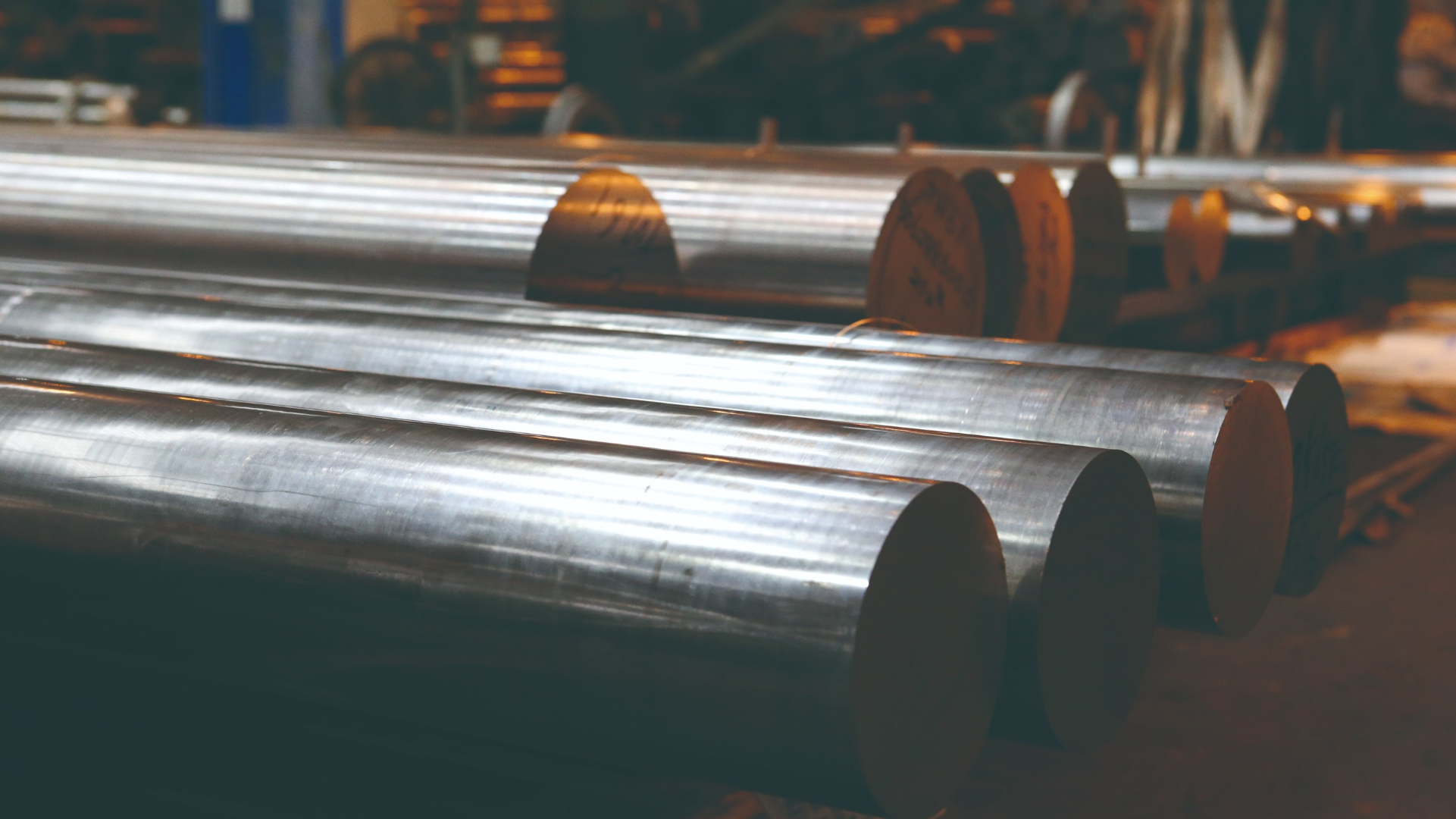
Distinction from Standard Metals
Standard metals are engineered based on specific standalone criteria. For instance, structural steel focuses on load-bearing capacity, while aluminum focuses on lightweight properties. In contrast, superalloys must simultaneously account for temperature, load, oxidation, and time. Rather than maximizing a single property, the core of superalloy engineering is a balanced design that satisfies multiple extreme conditions at once.
The Secret to Maintaining Shape at High Temperatures
The secret behind a superalloy’s ability to maintain its shape at high temperatures lies in its microstructure. Most notably, superalloys feature a structure where a gamma-prime precipitate phase, small particles distributed throughout the metal, is finely dispersed within a gamma matrix, the base metallic structure that serves as the alloy’s framework. This specific configuration helps retain strength at elevated temperatures, as the gamma-prime phase remains structurally stable even in extreme heat, effectively suppressing deformation.
The Crucial Role of Nickel-Based Alloys
Currently, the vast majority of superalloys used in aircraft engines and gas turbines are nickel-based. This is because nickel possesses an outstanding ability to maintain strength at high temperatures and can be combined with various alloying elements to precisely fine-tune its material properties.
A Material Closer to Daily Life Than You Think

Core Components Inside Aircraft Engines
Turbine blades in aircraft engines are the most representative application of superalloys. These components come into direct contact with hot gases exceeding 1,400 Celsius while simultaneously enduring strong centrifugal forces from rotating thousands of times per minute. Standard metals would fail within minutes. To survive this, turbine blades utilize superalloys manufactured via highly advanced techniques, such as single-crystal growth.
Power Plants and the Energy Industry
Gas turbine power plants generate electricity by rotating turbines using high-temperature gas produced in a combustion chamber. A key metric here is how much efficiency can be extracted from the same amount of fuel. While a higher turbine inlet temperature increases power generation efficiency, it drastically increases the burden on the components.
Because power generation facilities must operate reliably for long durations, even minute deformations can degrade performance. Consequently, superalloys are indispensable in gas turbine power plants.
Expansion into the Aerospace Industry
The aerospace sector demands even more extreme performance. Standard metals cannot withstand the intense heat generated during atmospheric reentry or the harsh conditions inside rocket engines. For these reasons, the scope of superalloy applications continues to expand.
The Invisible Technology Race
Demanding Manufacturing Processes: Why Technology Equals Competitiveness
Superalloys cannot be made simply by mixing metals. They require highly sophisticated processing technologies: melting techniques to remove impurities under a vacuum, precision casting to form complex shapes, and single-crystal growth technology to minimize internal defects.
Throughout this process, accumulated experience and technical know-how in controlling operational variables are just as critical as the machinery itself. Even with the same process, results vary depending on how parameters are adjusted. Ultimately, trusted quality under high temperatures can only be achieved when design expertise and manufacturing technology are accumulated in tandem.
Why Global Corporations Focus on Superalloys
Superalloys are not mere metallic components; they are core materials that define the performance limits of the aerospace and energy industries. Therefore, global corporations view superalloys not just as parts sourcing, but as a foundational technology that dictates overall industrial competitiveness.
Supply Chain Crises and the Localization of Superalloys
Lessons from Export Restrictions
In recent years, global supply chain instability and technology regulations have forced a reevaluation of material procurement structures once taken for granted. Advanced materials like superalloys are concentrated within a few nations and corporations, revealing a realistic risk that supplies could be restricted during geopolitical friction.
Importance as a Strategic National Material
Superalloys directly impact the aerospace, defense, and energy industries. The performance of the material dictates the safety and efficiency of the entire system. In a structure where a single material influences the reliability of an entire industry, acquiring the technology itself, rather than merely securing supply, becomes the core element of competitiveness. Indeed, major countries are simultaneously pursuing technology protection and domestic supply chain security for critical aerospace and energy materials.
Therefore, localizing superalloy technology signifies the establishment of a foundation to control core industrial technologies independently, beyond just material self-sufficiency.
The Transformation Led by SeAH
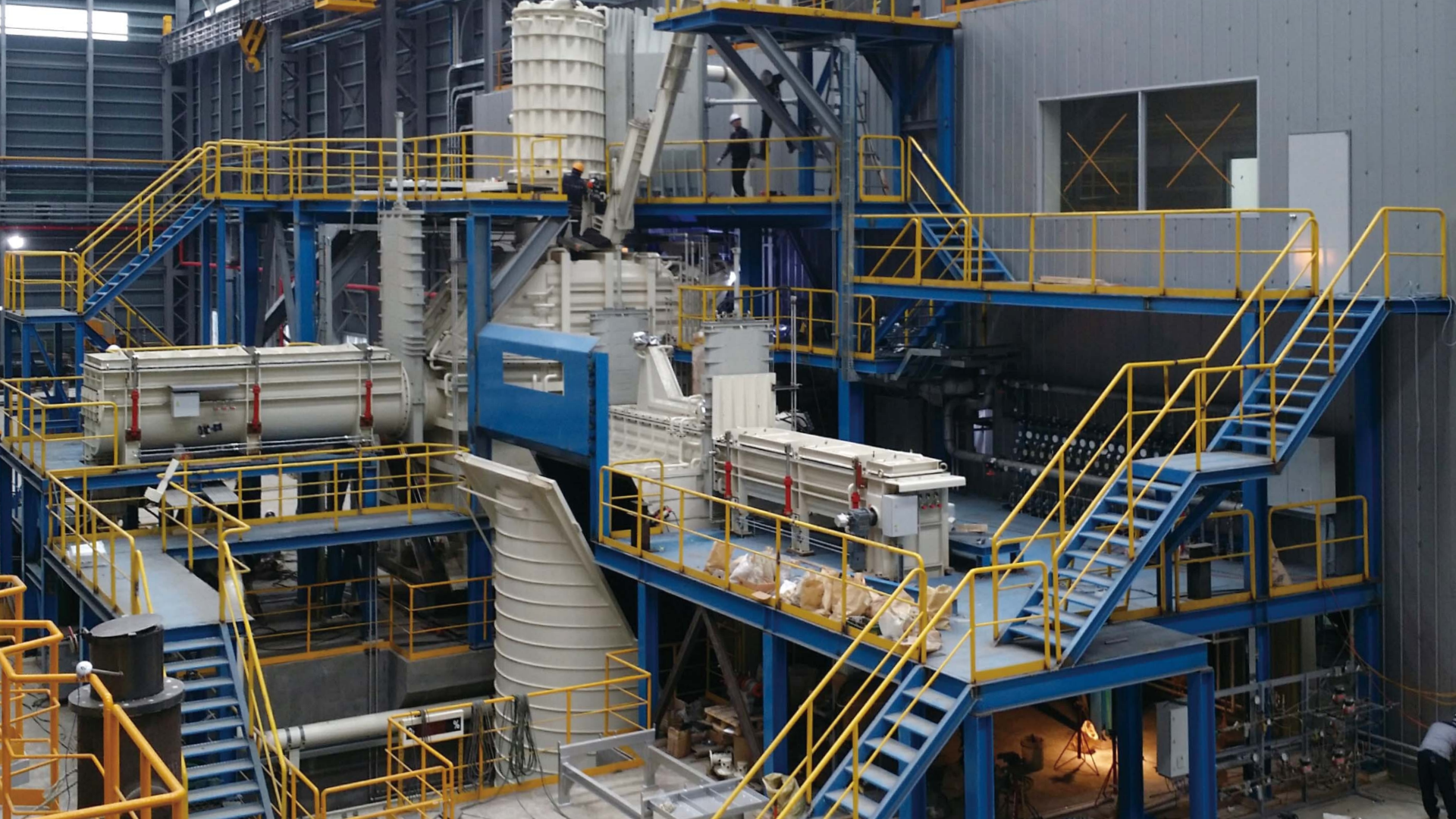
Securing 1,650 Celsius-Class Superalloy Technology
SeAH CSS has built a strong technical foundation in high-temperature materials by securing superalloy technology viable in environments up to approximately 1,650 Celsius.
This technology is already proving its merit in practical applications. Having successfully developed ultra-high-temperature superalloys, SeAH CSS has secured the technical capability required for gas turbine disks, a core component in power-generating gas turbines.
A gas turbine disk is a critical component that must withstand the severe loads transmitted by high-temperature, high-pressure combustion gases, where any minute deformation or degradation directly compromises the performance and safety of the entire facility. Consequently, securing material technology applicable to such a component is a monumental achievement.
This milestone is the culmination of accumulated expertise in microstructure control and processing technology, reflecting the company’s continuous refinement of technological systems engineered for high-temperature environments.
Role in the Aerospace and Energy Industries
SeAH CSS’ superalloys are being deployed across industries requiring high-temperature environments, notably aircraft engines and gas turbine facilities. In fact, the company is expanding its footprint in aviation by supplying prototype superalloy materials used in turbine engine retainers, a critical aircraft engine component, to Hanwha Aerospace. This serves as clear recognition of its technological capability in the aviation industry, which demands exceptionally high standards of reliability and quality.
This expanding footprint goes beyond simple material supply; it leads directly to enhanced performance in engines and power generation systems. Operating stably at higher temperatures boosts energy efficiency and reinforces overall equipment reliability.
The Rising Importance of Superalloys
The importance of superalloys is poised to grow even further.
Driven by the transition to green energy and the expansion of the aerospace industry, the demand for materials that operate reliably at higher temperatures is continuously rising. Specifically, to increase power generation efficiency and reduce carbon emissions, material technologies that maintain stable performance under harsher temperature conditions than those used today are absolutely vital.
Amid these trends, superalloys are positioning themselves as a core foundation governing both energy efficiency improvements and aerospace advancements. Furthermore, because superalloys represent a high-difficulty field where design, manufacturing, and process control technologies intersect, technical accumulation itself translates directly into competitive advantage. This naturally heightens the future role of companies that have preemptively secured high-temperature material technologies.
Leveraging its superalloy expertise, SeAH continues to push the performance boundaries of the aerospace and energy industries, steadily sharpening its technological edge in high-temperature materials.
Superalloy FAQ

What is a superalloy?
A superalloy is an alloy engineered to maintain stable performance over extended periods under high-temperature, high-pressure, and highly oxidative environments. Instead of being just a non-melting metal, it is designed to preserve its structural stability and mechanical properties under extreme conditions.
Why are superalloys necessary?
Standard metals suffer a sharp drop in strength at high temperatures and undergo permanent creep deformation under long-term loads. Superalloys are designed to maintain performance in these environments, making them essential for industries operating under extreme conditions, such as aircraft engines and gas turbines.
Where are superalloys used?
They are primarily used in environments where high temperatures and high loads act simultaneously, such as aircraft engine turbine blades, gas turbine power generation facilities, and the aerospace industry. Recently, their scope of application has expanded as key materials for improving energy efficiency.
How do superalloys differ from standard metals?
While standard metals are engineered around specific individual properties, superalloys are designed by simultaneously factoring in temperature, load, oxidation, and time. The biggest difference lies in their precisely engineered microstructure, which allows them to retain strength even in extreme heat.
Where are superalloys produced?
Since superalloys require highly sophisticated design and manufacturing processes, production has traditionally been led by a select group of global corporations focused on the aerospace and energy industries. However, driven by the growing need for supply chain stability and technological independence, major countries and corporations are currently building their own production capabilities. In line with this trend, SeAH has secured advanced superalloy technology and is accumulating production capabilities while steadily expanding its application across high-temperature material industries.
List